
Sugi Ban Demonstration
May 1st 2026
Plymouth Center For the Arts

Plymouth Center For The Arts
From "Playing With Fire", Substack, Published May 4, 2026
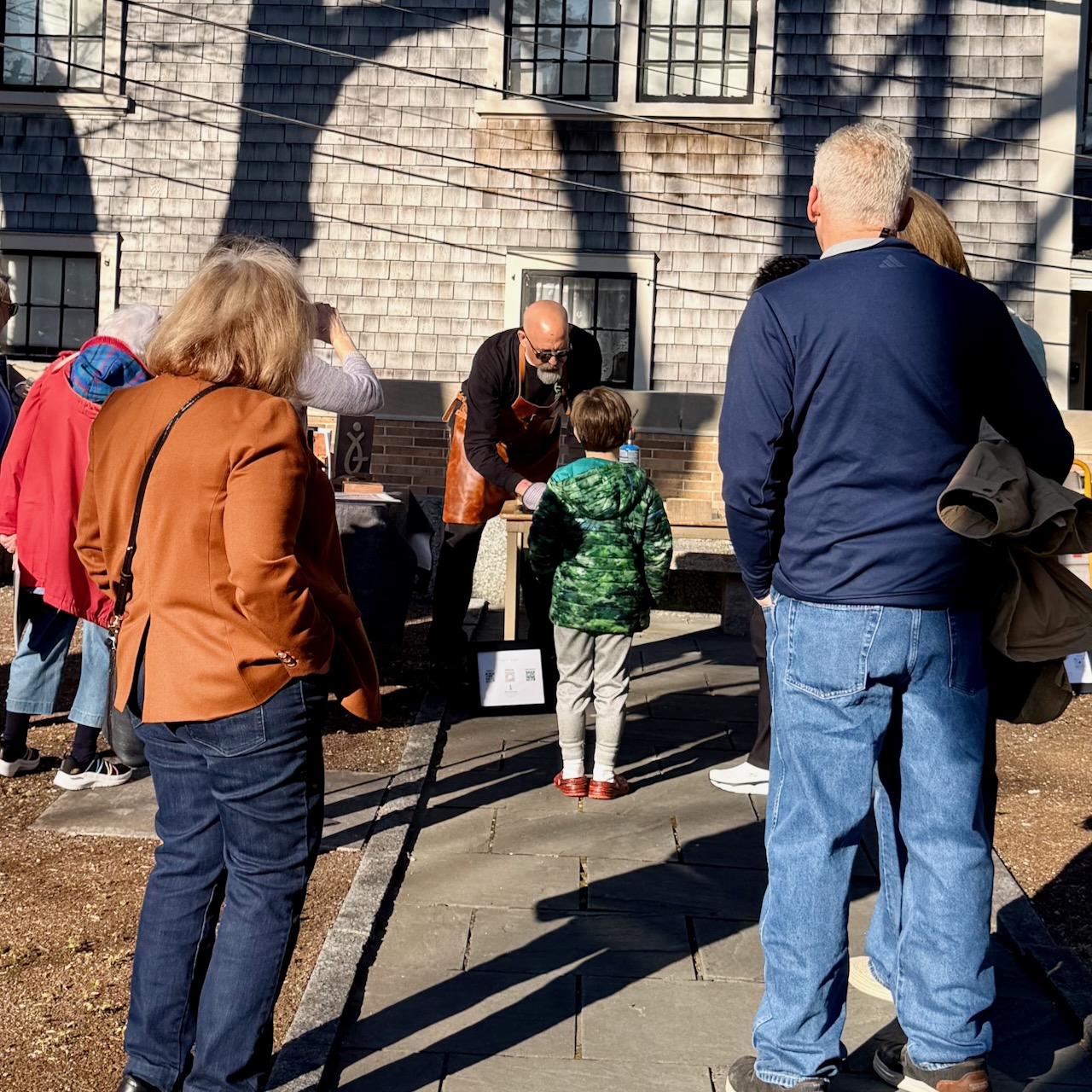
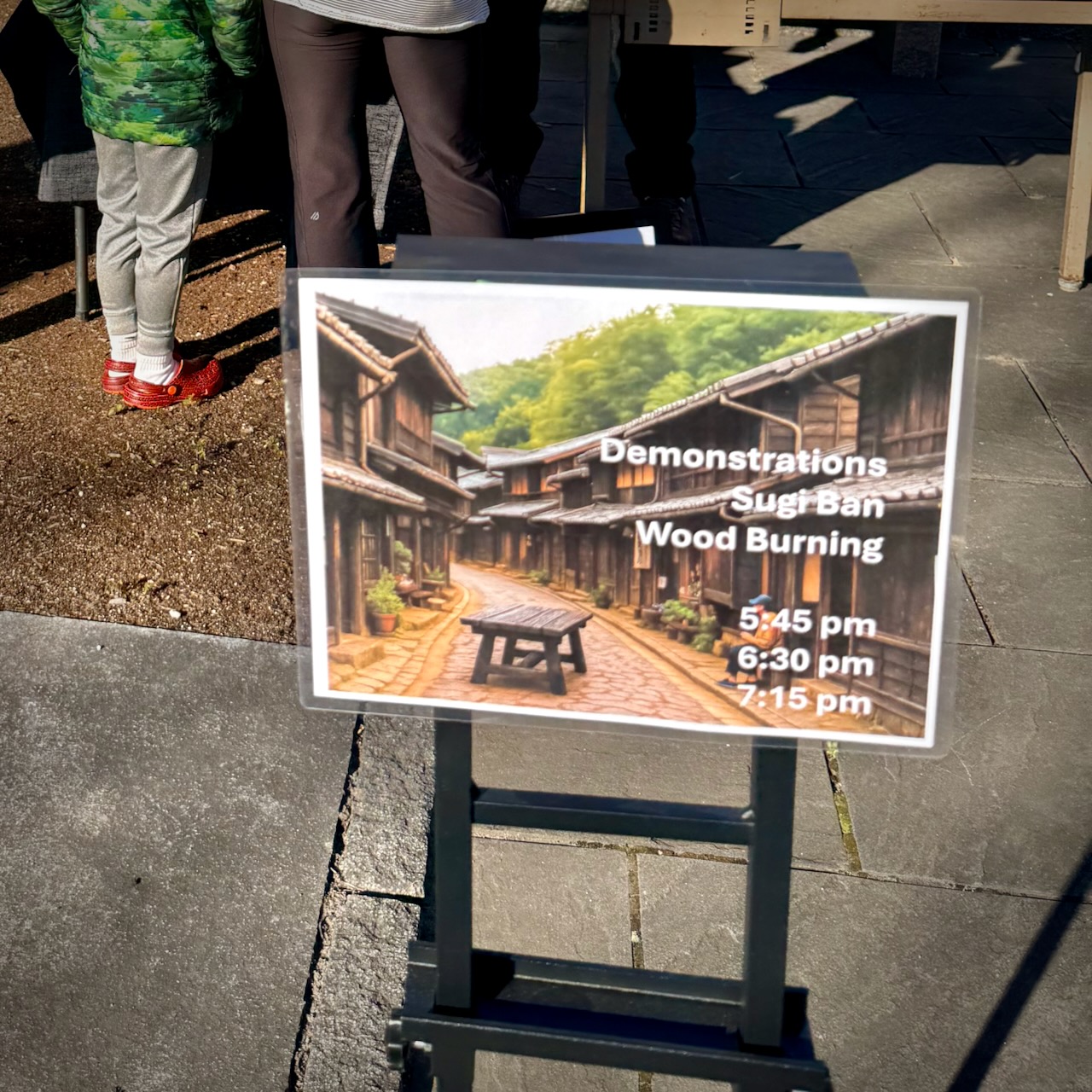
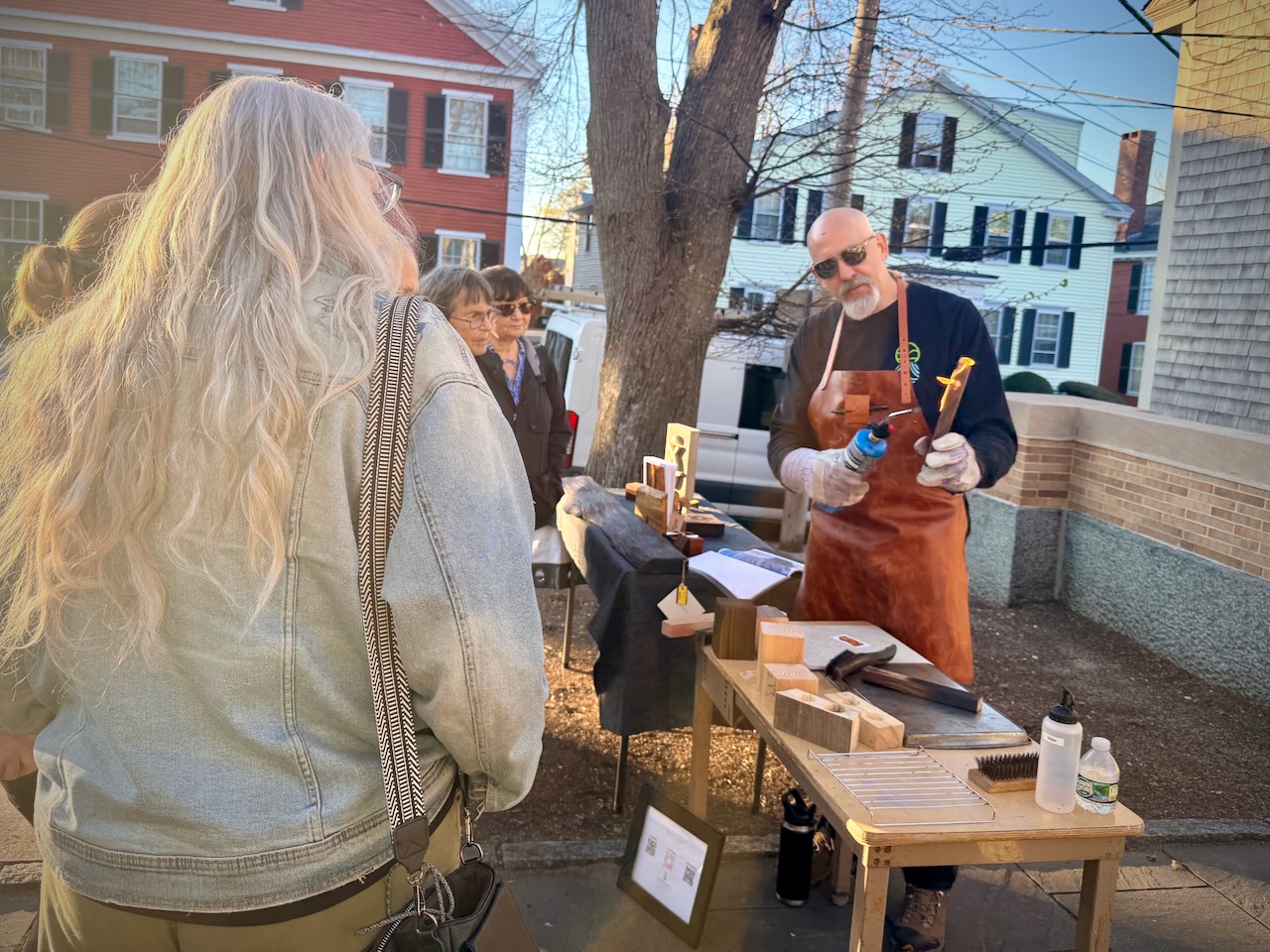
Last Friday, the stretch of sidewalk outside the Plymouth Center for the Arts turned into something between a workshop and a stage. It was the first First Friday of the summer season in Plymouth, and the town was doing its usual evening drift: gallery doors open, music in the air, people moving in loose orbits.
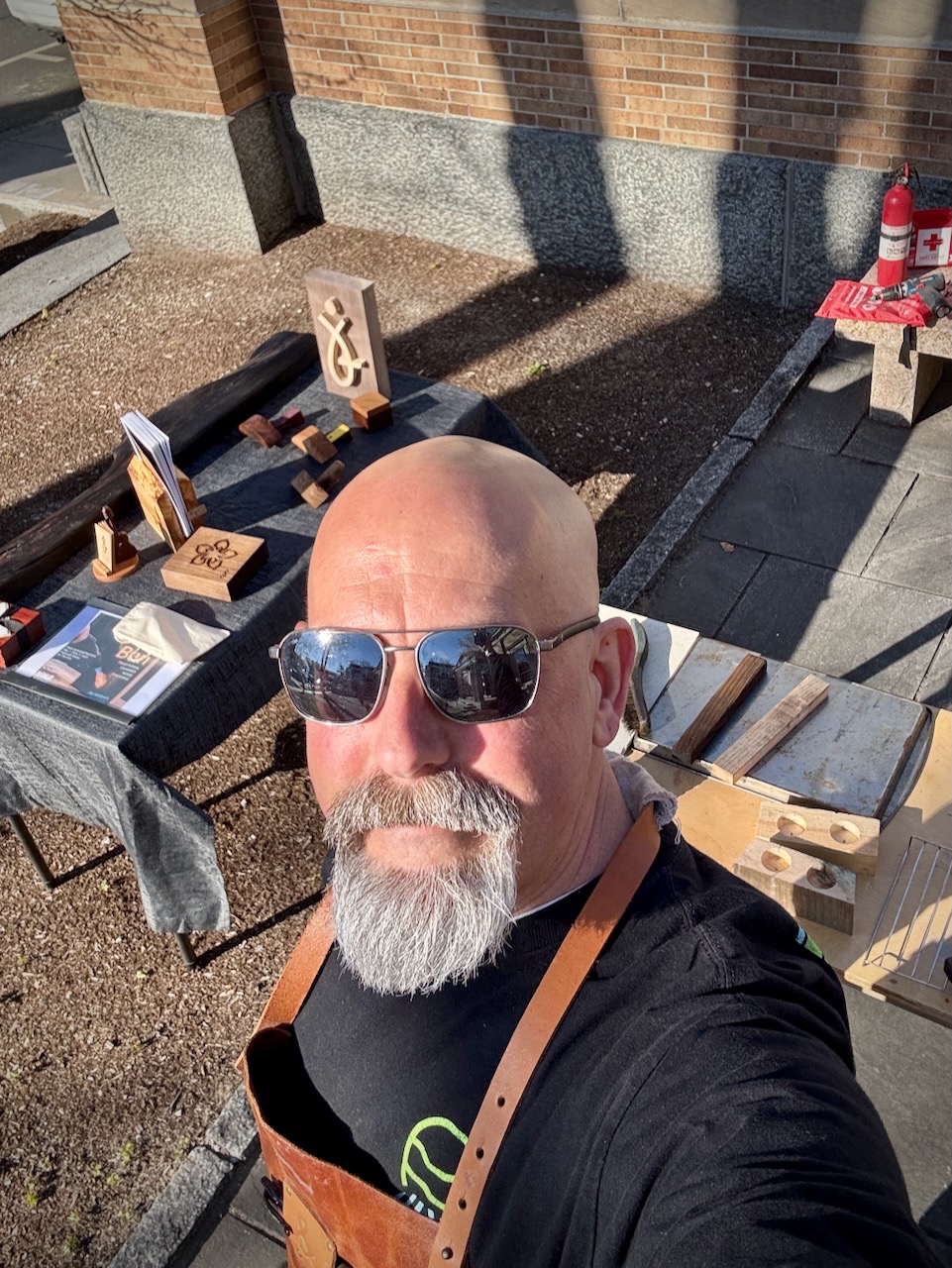
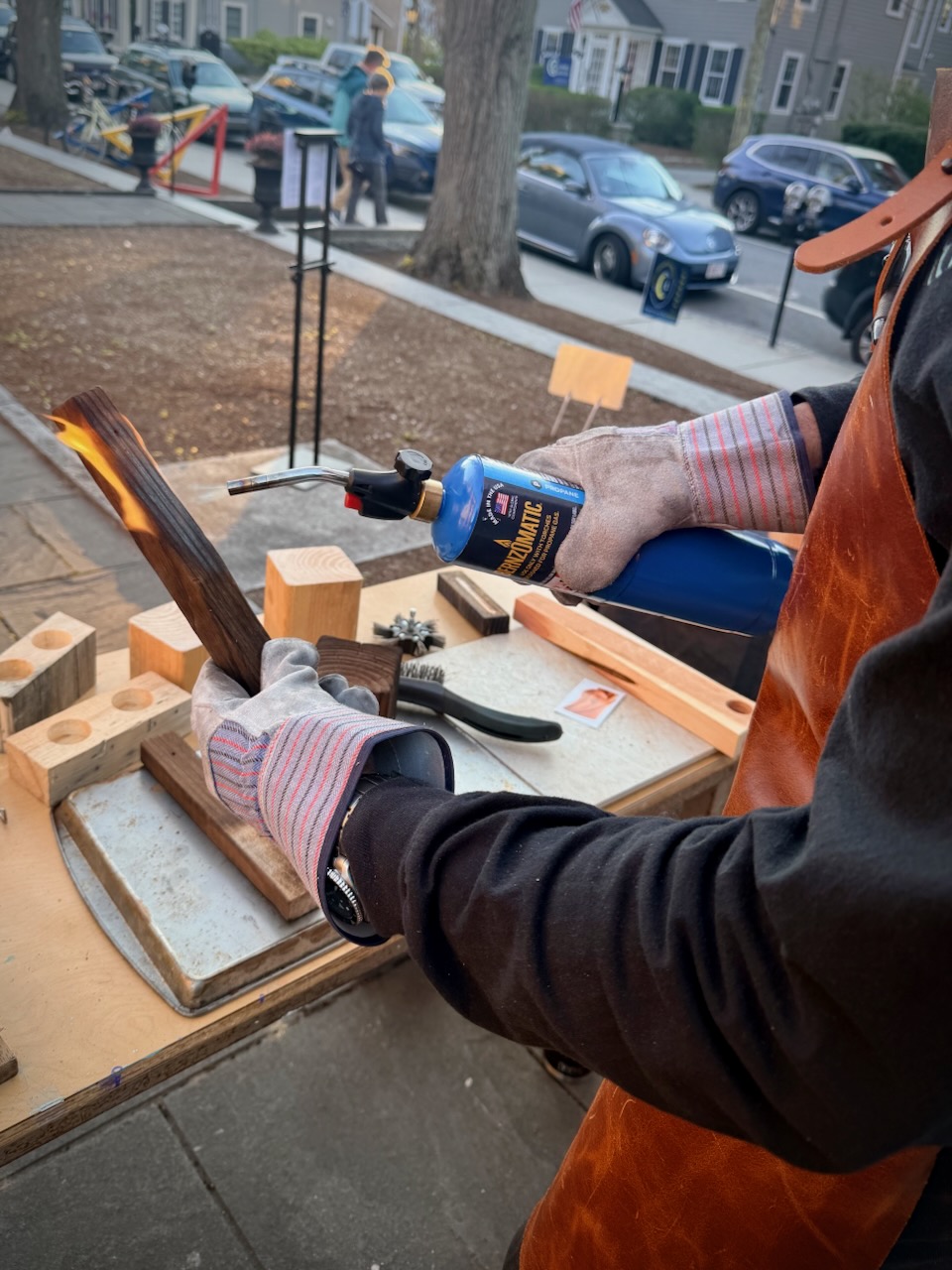
I showed up with my trusty plumber’s torch, a box full of wood blocks, and a technique that tends to stop people mid-step. Sugi Ban, or yakisugi, is the deliberate charring of wood to preserve and transform it. It sounds counterintuitive, which is part of the draw. Wood is something we’re taught to keep away from fire, not introduce to it.
There’s a moment right before the flame catches when people lean in a little. Then the surface darkens and blisters, the smoke rises, and the wood shifts from something ordinary into something with texture and depth. That’s when the questions start.
"Is that safe?"
"Does it keep burning?"
"Why would you do that?"
And, more than anything else: "What does it smell like?"
That last one came up again and again. The answer is pretty straightforward. Once the piece is finished, it carries a light wood-fire smell, like the ghost of a campfire, for about a month or so. After that, it fades on its own. If the piece is sealed with something like polyurethane or shellac, the burn smell is essentially gone from the start. It’s one of those details people don’t think to ask until they see the process up close.
The rest of the answers unfold in real time. The charring carbonizes the outer layer of the wood, making it more resistant to moisture, pests, and decay. It’s part preservation, part aesthetic. The flame is controlled, not chaotic. After the burn comes brushing, sometimes washing, sometimes oiling. The soot gives way to a textured surface where the grain stands out more clearly than it ever did before.
Over the course of the evening, there was a steady flow of people stopping to watch. Some stayed for a minute, others for the full cycle from raw board to finished piece. Kids were often the most direct.
"Are you allowed to do that?"
Apparently, yes.
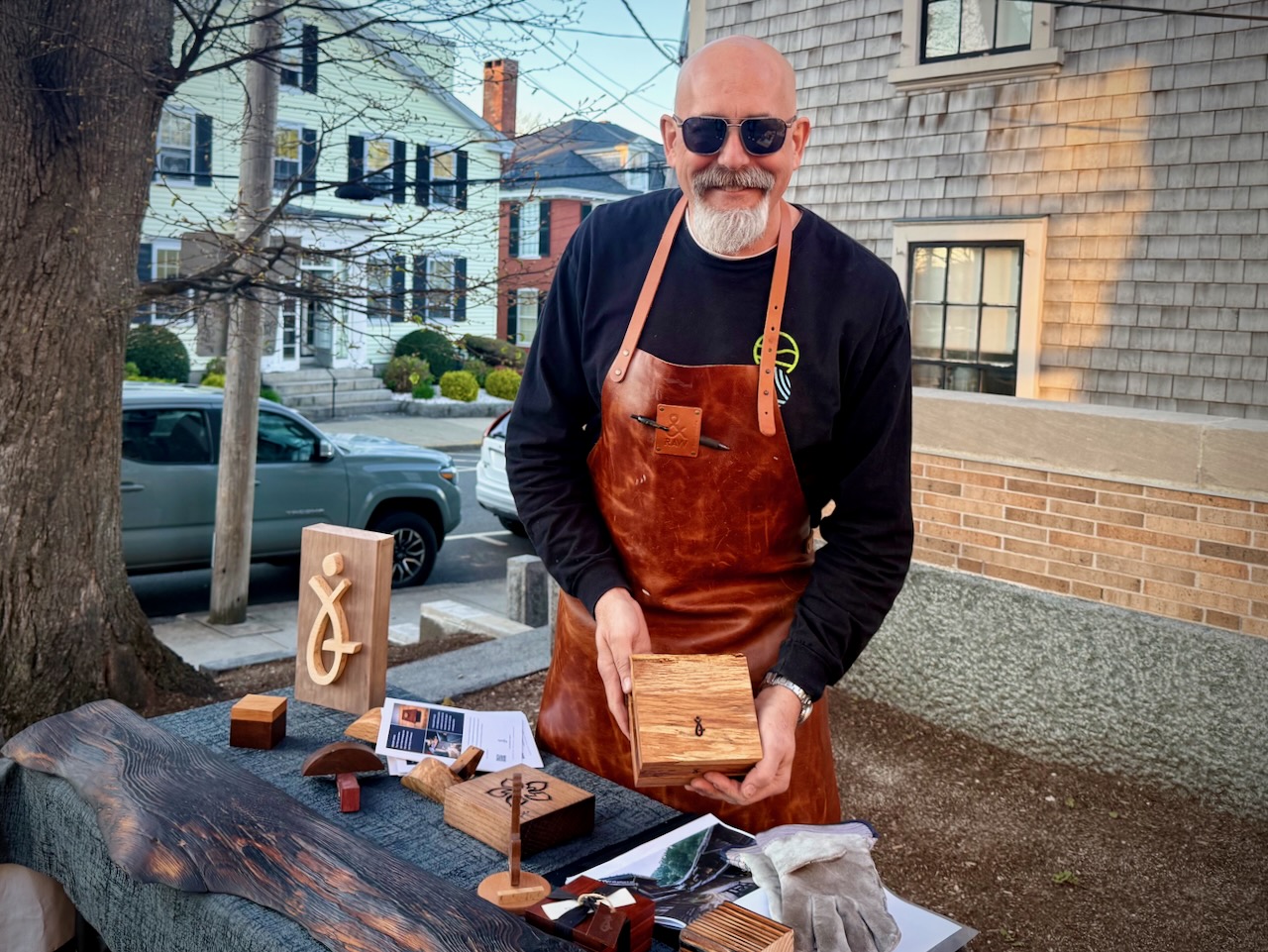
What made the demonstration work was the setting as much as the technique. First Friday has a built-in rhythm, and the process slipped into it. Firelight against the early summer dusk has a way of pulling attention without demanding it. A few people recognized the look from charred wood siding but hadn’t seen it done by hand. Others immediately started thinking in terms of their own projects: trays, panels, planters, even instruments. I walked several people through my idea book and hopefully inspired them to bring me in for a consultation.
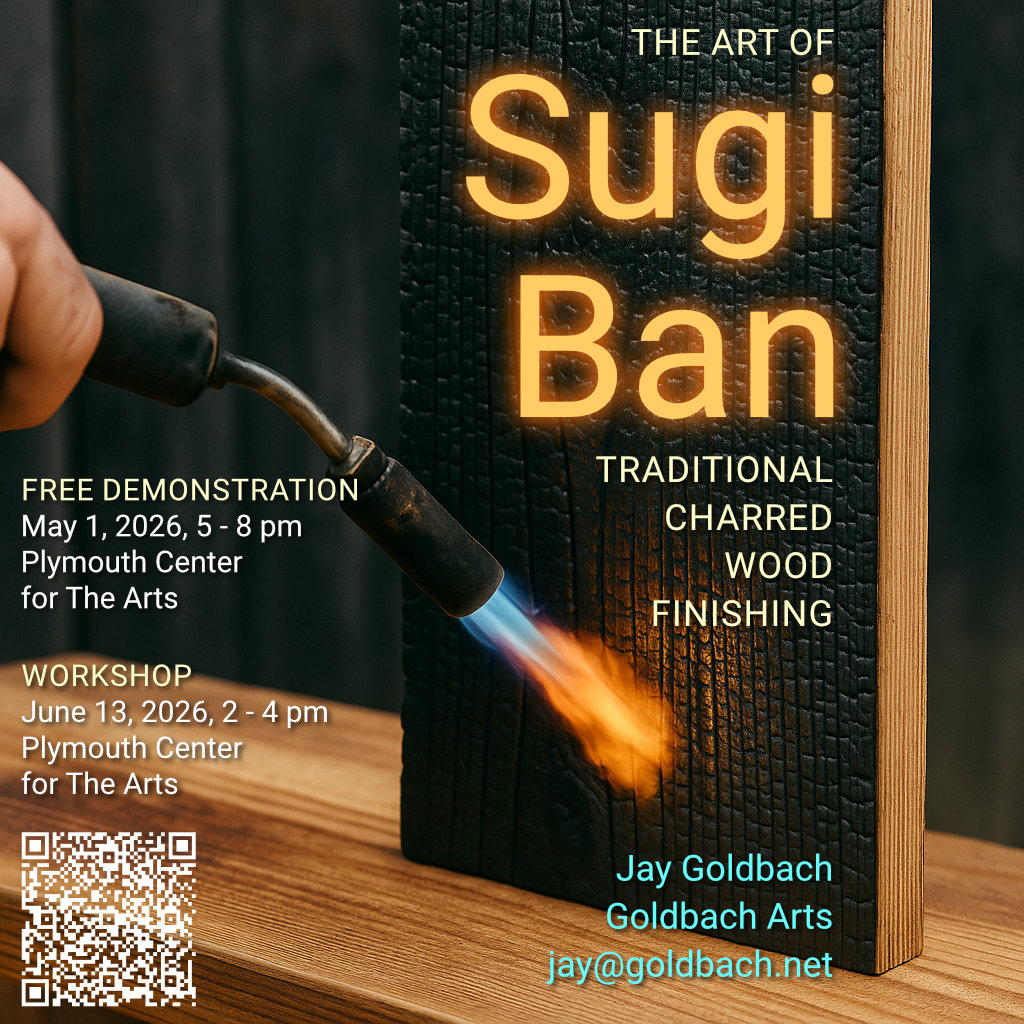
If you caught the demo and thought you might want to get your hands on a torch, I’ll be running a hands-on workshop at the Plymouth Center for the Arts on June 13 from 2–4 pm. We’ll go from raw material to finished piece in a couple of hours, covering safety, wood selection and finishing options depending on the look you’re after. You’ll leave with a completed charred wood piece and a clear sense of how to repeat the process on your own.
Details and registration are available on the Center’s calendar here: Plymouth Center for the Arts.
There’s something fitting about introducing sugi ban during First Friday. It’s an old technique, but it feels immediate when it’s done out in the open, with people gathered around asking questions and offering ideas. It doesn’t hurt the authenticity to see re-enactors in period garb walking past every few minutes. For a few hours, the process becomes public. The transformation happens right there, in full view.
And if you stay long enough, it starts to look less like burning wood and more like revealing it.
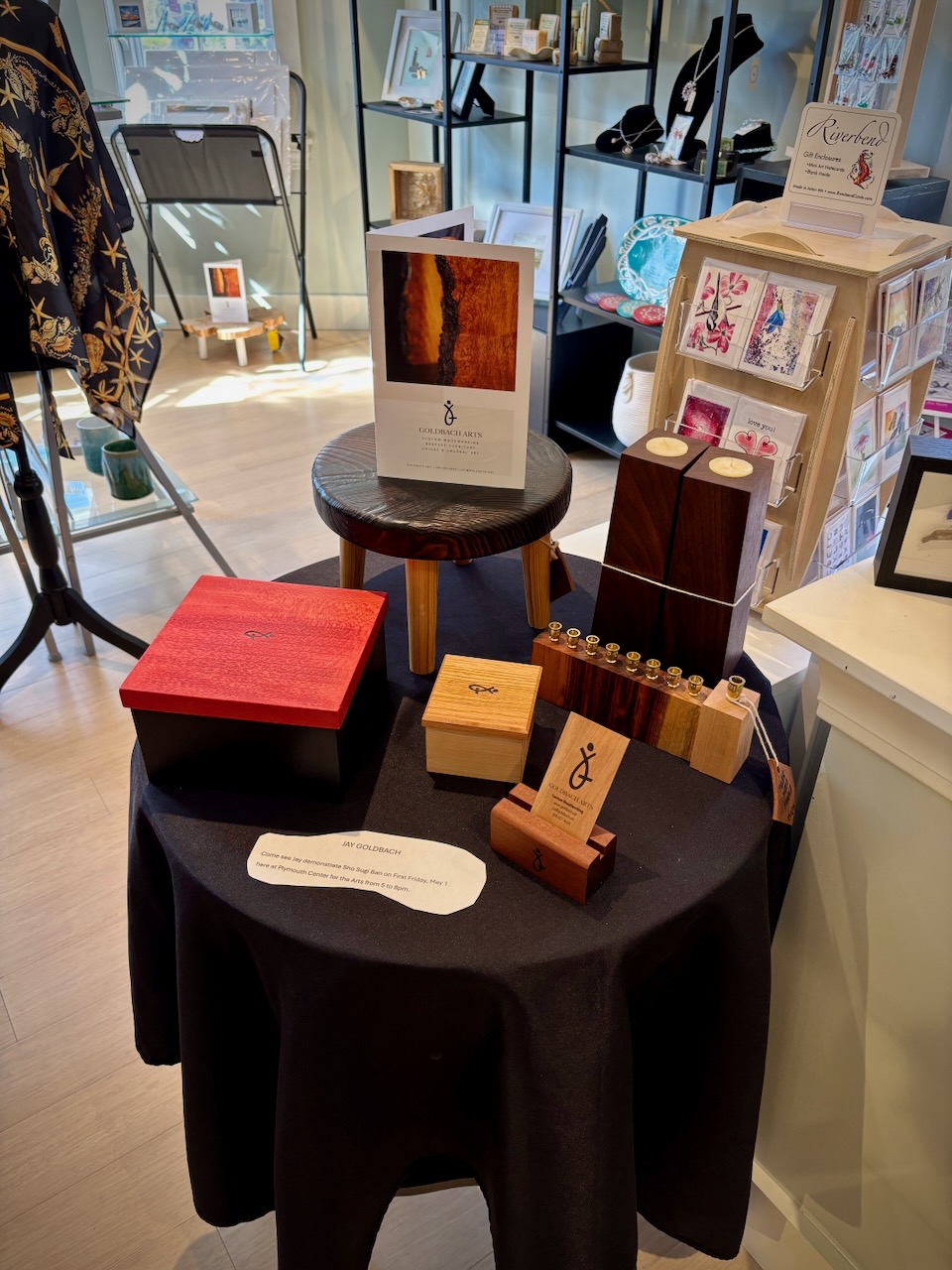
I want to thank the kind and considerate folks at the PCA who set up a special table in the Artisan Shop highlighting the items I have for sale there.
I will be posting some new Sugi Ban-finished items to my site and Etsy store in the next few days.
More soon!