Help Materials Information
This is a list of the woods with which I commonly work and some characteristics that may help you decide what works best for your project. Keep in mind that I can source almost any kind of wood, but I prefer and encourage the use of locally harvested woods. The exception to that is wood sourced through our recycling program.

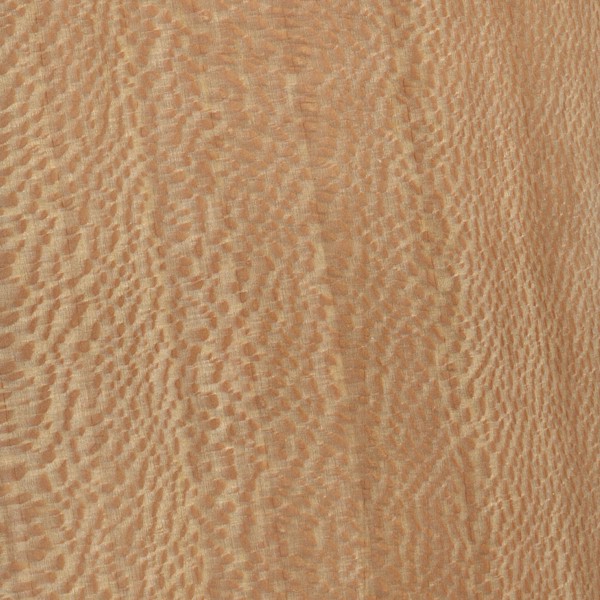
Black Cherry
Black cherry is a cherished hardwood, renowned for its warm reddish-brown hues that deepen beautifully with age and exposure to light, developing a rich patina over time. It has a fine, straight grain with occasional swirls or small knots, making each piece unique. It’s moderately hard, easy to machine, and finishes to a silky smooth surface. Black cherry’s wood dust can sometimes cause mild allergic reactions, like skin or respiratory irritation, though it’s generally well-tolerated with proper ventilation and dust collection.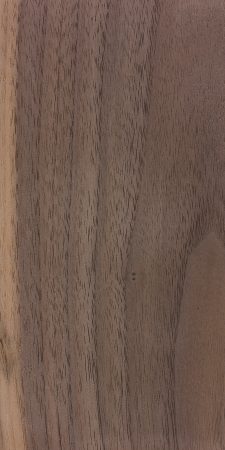
Black Walnut
Black walnut is a premium hardwood known for its deep chocolate-brown heartwood, creamy sapwood, and dramatic grain patterns. It’s relatively easy to work despite being quite hard and dense. Walnut takes oil finishes particularly well, resulting in a rich, elegant surface. Its dust can be mildly toxic to some people, causing skin or respiratory issues—especially with repeated exposure—so protective gear is a smart precaution.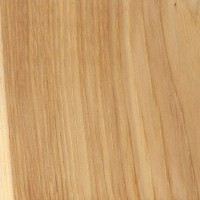
Hickory
Hickory is one of the hardest domestic hardwoods and is known for its dramatic color contrast between heartwood and sapwood—ranging from reddish-brown to creamy white. It has a coarse, straight grain and a rugged, rustic aesthetic. While challenging to work due to its hardness, it yields strong and durable pieces. Some individuals may react to the dust, so it’s wise to wear a mask during cutting or sanding.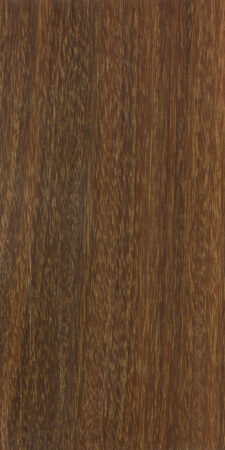
Ipe
Ipe (pronounced "ee-pay") is an ultra-dense tropical hardwood often used in outdoor projects due to its extreme durability and resistance to rot and insects. Its color ranges from olive brown to dark walnut, and it weathers to a soft silver if left untreated. Working with ipe requires carbide tools and pre-drilling for fasteners due to its density. Dust from ipe is known to cause irritation in many people, making masks and ventilation essential.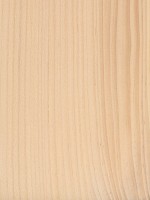
Pine
Pine is a softwood that's abundant, easy to work with, and carries a rustic charm that makes it a favorite for traditional and farmhouse-style pieces. Its pale yellow to creamy white color can develop a golden patina with age, and its prominent grain gives it a lot of visual character. It’s relatively lightweight, making it ideal for larger items. While most people tolerate it well, pine can cause mild irritation in some individuals, particularly those sensitive to sap or pitch.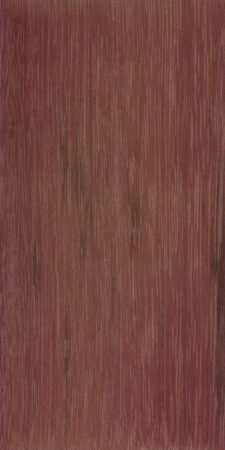
Purpleheart
Purpleheart is a vibrant tropical hardwood that turns a deep, rich purple after exposure to light. Over time, it may darken toward brownish-plum if not sealed. It’s very dense and hard, offering excellent durability, though it can dull tools quickly. This wood has a unique appeal for accent pieces or inlays. Dust can be irritating to the eyes, skin, and lungs, so proper protection is recommended when working with it.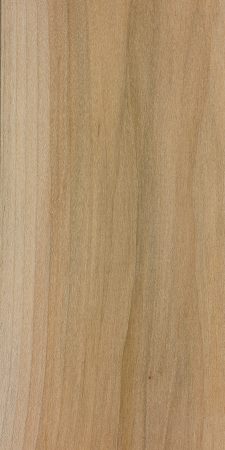
Red Maple
Red maple is a moderately hard hardwood with a fine, consistent grain that can range from straight to curly or quilted. Its natural color is a creamy white with a reddish tint, often enhanced by finishing oils. This wood is valued for its versatility and smooth texture. Red maple is generally safe to work with, though like many maples, its dust can sometimes be mildly irritating during prolonged exposure.
Red Oak
Red oak is a durable hardwood known for its open grain and rich, reddish-brown hue. It stains beautifully, emphasizing the natural grain patterns that range from straight to arched cathedrals. Often used in furniture and flooring, it’s strong and wear-resistant, though somewhat heavy. Red oak can occasionally cause skin or respiratory irritation due to its tannin content, so care should be taken when sanding or cutting.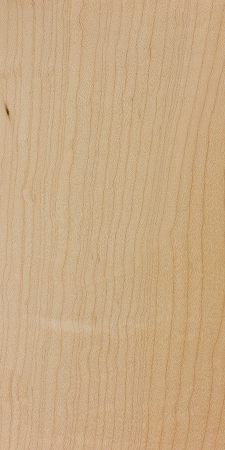
Sugar Maple
Also known as hard maple, sugar maple is prized for its exceptional hardness and strength. It's pale and creamy in color, often featuring subtle figuring like birdseye or tiger stripe that adds high-end appeal. Because of its density, it can be challenging to machine without sharp tools, but it finishes to a glassy smoothness. Some people may experience minor respiratory sensitivity to its fine dust, so a mask is recommended when sanding.